How to Improve Social Media Presence: A Simple Guide
Social media is now a big part of daily life. People use it to watch videos, share photos, learn new things, and talk with friends. Businesses also use social media to show their products, answer questions, and connect with customers.
But creating an account is only the first step. You need a clear plan to help people find your page, understand your message, and enjoy your content.
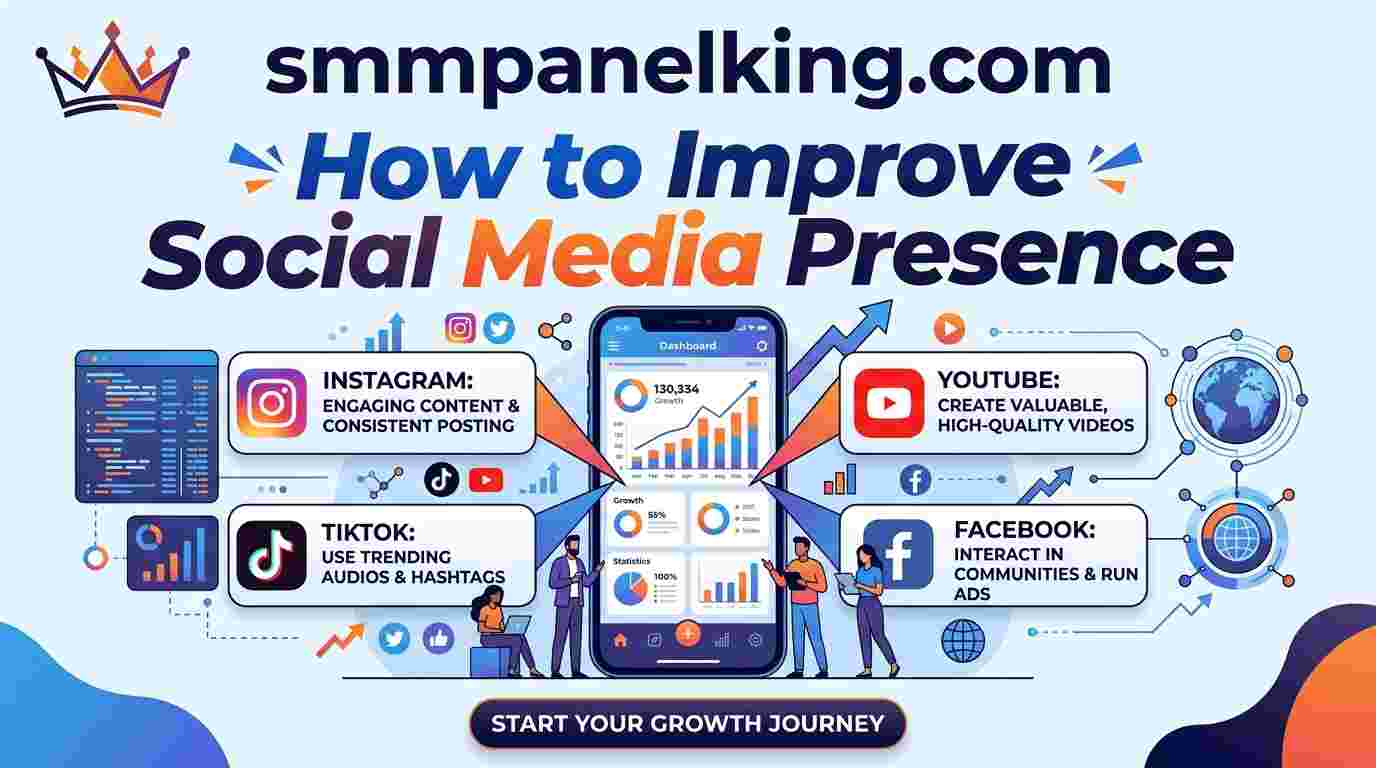
Learning how to improve social media presence does not have to be hard. You can begin with small steps. Share useful posts, talk with your audience, and learn what people enjoy. Over time, these actions can help you build a page that people want to visit again.
This guide explains how to improve your online presence with simple ideas. It covers content planning, profile setup, audience engagement, business goals, and ways to measure progress.
Whether you are a new creator, a small business owner, or a social media manager, these tips can help you make better choices.
What Does Social Media Presence Mean?
Social media presence is the way people see and interact with you or your brand on social platforms. It includes your profile, posts, videos, comments, stories, and replies.
A good Social Media Presence is more than a large follower count. It is about sharing useful content and building trust with people who care about your topic.
For example, a local bakery may share photos of fresh cakes, short baking videos, and details about new products. People may follow the page because they enjoy the content and want to know what is available.
A teacher may share study tips. A fitness coach may post simple exercise advice. An online shop may show products and answer customer questions.
Each page has a different purpose. The best approach is to give people a clear reason to follow you.
Why Does Social Media Presence Matter?
A clear online presence can help people discover your work. It can also make it easier for them to learn about your services, products, or ideas.
Here are some possible benefits:
More people may discover your brand.
Your audience can learn what you offer.
You can answer questions in one place.
Useful posts can help build trust.
You can learn what your audience likes.
Customers can share your content with others.
Your business can stay connected with existing customers.
Results depend on your content, audience, platform, and level of effort. No single method can promise instant growth.
Start With a Clear Goal
Before you post anything, decide what you want your social media account to achieve. A clear goal helps you choose the right content and measure your progress.
Without a goal, you may post many things without knowing whether they help your page.
Choose One Main Goal
Your goal may be to help people learn about your brand, bring visitors to your website, answer customer questions, or build a community around a shared interest.
Try to choose one main goal first.
For example, a new online shop may want more people to visit its website. It can share product guides, useful videos, and answers to common questions.
A content creator may want more people to watch their videos. They can focus on clear topics, helpful information, and better video openings.
Your goal should match what you do and what your audience needs.
Make Your Goal Easy to Measure
Instead of saying, "I want to grow my page," choose a goal you can check.
You might aim to publish three useful posts each week, improve the number of people who save your posts, or increase relevant website visits over a month.
These goals help you focus on actions you can control. They also make it easier to see what needs to change.
Understand the People You Want to Reach
One common mistake is trying to create content for everyone. Different people have different interests, needs, and problems.
When you understand your audience, you can make posts that are more useful to them.
Learn What Your Audience Needs
Think about the people you want to reach.
What questions do they ask? What topics interest them? What problems are they trying to solve? Which type of content may help them?
For example, an online clothing store could share size guides, fabric details, care tips, and ideas for matching clothes. These posts give shoppers helpful information before they buy.
A technology page could explain common phone settings, simple app features, or ways to protect online accounts.
You do not need to guess every answer. Read comments, check messages, and ask simple questions.
Use Audience Feedback
Pay attention to the questions people ask more than once. These questions can give you ideas for future posts.
If several people ask how to use a product, create a short guide. If followers want to understand a topic, make a simple video about it.
Audience feedback can help you create content that answers real needs instead of posting only what you want to share.
Choose the Right Social Media Platforms
You do not need to use every social platform. It is often better to manage a few accounts well than to create many accounts and leave them inactive.
Each platform has its own audience and content style.
Match the Platform to Your Content
Instagram can work well for photos, short videos, stories, and visual product guides. TikTok is known for short videos and creative ideas. YouTube supports both short videos and longer educational content.
Facebook can help businesses share updates, connect with local groups, and answer customer questions. LinkedIn is useful for professional topics, company news, and business connections.
These are general examples, not strict rules. The best platform depends on your audience and goals.
Begin With One or Two Platforms
If you are new to social media, start with one or two platforms that suit your content.
Learn how people use those platforms. Create posts that fit their format. Once you can manage your schedule, you may decide to expand.
This approach makes it easier to maintain quality and reply to your audience.
Make Your Profile Clear and Complete
Your profile is often the first thing people see. It should explain who you are and what visitors can expect from your page.
A confusing profile can make people leave before they understand your content.
Use a Clear Name and Profile Image
Choose a name that people can recognize. If you run a business, use the business name where possible.
Use a clear profile image, such as your logo or a suitable picture. Keep the style consistent across your main platforms.
A consistent look can make your accounts easier to recognize.
Write a Helpful Bio
Your bio should explain what you do and who you help. Use simple words and avoid adding too much information.
For example, a small bakery might write:
"We make fresh cakes and treats for birthdays, family events, and everyday moments. Follow us for new products and baking ideas."
Add a website link or contact details when they are useful. Check that the link works and leads to the right page.
Keep Important Details Updated
Review your profile from time to time. Update old links, business hours, product details, and contact information.
Small changes can make your account easier to use and help people find the information they need.
Create a Social Media Presence Strategy
A Social Media Presence Strategy is a simple plan for what you will post, where you will post it, and how you will connect with your audience.
You do not need a long or complex document. A basic weekly plan is enough to get started.
Choose a Few Content Themes
Content themes are the main topics you share. They help your page stay focused.
A business might use these themes:
Product or service information.
Helpful tips and guides.
Customer questions and answers.
Behind-the-scenes updates.
News, offers, or business announcements.
A creator may use tutorials, personal lessons, common mistakes, and answers to follower questions.
Choose themes that match your goals. You can add new themes later if your audience responds well to them.
Build a Weekly Posting Plan
A posting plan helps you stay organized. It also reduces the pressure of deciding what to publish every day.
For example, you could share a useful tip on Monday, a short video on Wednesday, and a question or community post on Friday.
This is only a sample schedule. You can post more or less often based on your time, platform, and audience.
The important thing is to choose a pace you can maintain.
Leave Room for New Ideas
A plan should guide you, not limit you. If your audience asks a useful question or a new topic becomes relevant to your work, you can create a post about it.
Review your plan each week. Keep the ideas that help your audience and improve the ones that do not work well.
Share Content People Want to See
Content is at the heart of your online presence. People are more likely to return when your posts offer something useful, interesting, or enjoyable.
You do not need expensive equipment or a large team. Start with what you have and focus on clear ideas.
Teach Something Useful
Helpful content gives people a reason to follow your page.
You can share quick tips, simple instructions, common mistakes, product guides, or answers to frequently asked questions.
For example, a phone shop could explain how to care for a phone battery. A clothing store could share washing tips. A marketing page could explain how to write a clearer caption.
Keep each post focused on one main idea. Simple content is often easier to understand and share.
Use Short Videos When They Fit
Short videos can show an idea quickly. You could demonstrate a product, explain a small task, answer a question, or share a behind-the-scenes moment.
Start with a clear opening so viewers understand the topic. Use readable text when it helps. Keep the sound clear and remove details that do not support the main idea.
Do not make every post a video if another format works better for your audience.
Mix Different Content Types
Using different formats can keep your page interesting. Try photos, short videos, stories, text posts, simple graphics, and step-by-step guides.
Choose the format that suits the message. A product photo may work well for a new item, while a video may be better for showing how it works.
Review the results to learn which formats your audience prefers.
Make Every Post Easy to Understand
Use clear language. Break long text into short paragraphs. Add a helpful title when needed.
If you share a graphic, make sure the words are easy to read on a phone. If you publish a video, use clear speech and captions where possible.
Your audience should understand the main point without having to work too hard.
Improve Social Media Presence Through Consistency
Consistency means showing up regularly and keeping your page active. It does not mean posting every hour or sharing content when you have nothing useful to say.
A steady schedule gives your audience a better idea of what to expect.
Focus on Quality and a Realistic Schedule
Choose a posting routine that fits your time. If you can make three useful posts each week, start there.
Prepare some ideas in advance. You can also create several posts in one session and schedule them for later, if your platform supports scheduling.
Do not sacrifice accuracy or quality just to publish more often.
Keep Your Message Consistent
Your posts should support the purpose of your page. If your account is about cooking, most posts should relate to food, recipes, kitchen tips, or similar topics.
You can still share occasional personal updates or new ideas. The goal is to make your page easy to understand.
A clear topic helps visitors decide whether your content is right for them.
Talk With Your Audience
Social media is not only a place to publish content. It is also a place to have conversations.
When people leave comments or ask questions, try to respond in a helpful and respectful way.
Reply to Comments and Messages
Thank people for useful feedback. Answer questions clearly. If someone raises a concern, respond calmly and explain what you can do.
For business accounts, clear replies can help customers understand your services and next steps.
You do not have to agree with every comment. You can set reasonable rules for your page and report harmful content when needed.
Ask Questions That Invite Replies
Simple questions can help you learn about your audience.
For example, a book page might ask which type of story people enjoy. A bakery might ask which flavor they would like to see next.
Make sure the question relates to your content. Avoid asking for personal details that you do not need.
Build a Community Over Time
A strong community grows through useful content, fair treatment, and regular conversation.
Share helpful ideas from your field. Recognize good questions. Thank people who contribute in a positive way.
Do not pressure people to comment or follow. Give them a genuine reason to take part.
Use Hashtags and Keywords With Care
Hashtags and keywords can help explain what your content is about. They may also help people discover relevant posts, depending on the platform.
However, adding many unrelated hashtags will not make weak content useful.
Pick Relevant Hashtags
Choose hashtags that match the topic, audience, or location of your post. A local bakery may use tags about baking and its city. A social media guide may use tags related to marketing and content tips.
Check how hashtags are used on your chosen platform. Avoid tags that are unrelated or misleading.
Write Captions That Explain the Post
Your caption should tell people what they are seeing and why it matters.
For example, instead of writing only "New product!", explain what the product does or who may find it useful.
Use natural keywords where they fit. Do not repeat the same phrase many times. Clear writing is better than a caption filled with search terms.
Social Media Presence for Business
A Social Media Presence for Business can help people learn about a company, ask questions, and understand its products or services.
But a business account should do more than advertise. It should also help customers make informed choices.
Show How Your Business Helps
Share clear product details, service explanations, useful guides, and answers to common questions.
If you sell products, show how they work and explain their features. If you offer a service, describe the process and tell customers what they can expect.
Avoid claims that you cannot prove. Honest information can help people make better decisions.
Share Real Customer Feedback Responsibly
Reviews and feedback can help people understand other customers' experiences. If you share a review, make sure it is genuine and that you have permission to use it when needed.
Do not invent customer stories, ratings, or results. Never present paid or arranged engagement as proof of customer satisfaction.
Real feedback is more useful when it is clear, accurate, and presented fairly.
Make It Easy to Contact You
Tell visitors how to reach your business. Depending on your needs, you might provide a website, business email, contact form, or suitable messaging option.
Check messages regularly and explain when customers can expect a reply.
A clear contact process can make it easier for interested people to take the next step.
Improve Social Media Presence With Data
You do not have to guess whether your content is working. Most major platforms offer insights that show how people interact with your posts.
Use these details to learn what to keep, change, or test.
Track the Metrics That Match Your Goal
Different goals require different measurements.
If your goal is awareness, you may review reach and views. If you want conversation, look at meaningful comments, replies, and shares. If you want website visits, check link clicks and relevant website traffic.
For a business, useful measures may include qualified enquiries, completed purchases, or customer questions answered.
A large number does not always mean a good result. Focus on the measurements that matter to your goal.
Review Your Best Posts
Look at posts that received useful replies, shares, saves, or visits. Ask what may have helped them perform well.
Was the topic useful? Was the opening clear? Did the format fit the message? Was the post published when your audience was active?
You cannot always know why a post performed well. Still, reviewing patterns can give you ideas for future content.
Test One Change at a Time
If your results are low, avoid changing everything at once.
Try a clearer caption, a different video opening, a new content topic, or a more useful call to action. Then compare the results over a reasonable period.
Small tests help you learn which changes make a difference for your audience.
Create a Social Media Growth Strategy
A Social Media Growth Strategy gives you a clear way to improve your content and reach the right people over time.
It should focus on useful posts, honest communication, and learning from results rather than chasing every new trend.
Work With Relevant Creators
Creators in your field may help you reach people who share your interests. You could work together on a tutorial, interview, product demonstration, or shared discussion.
Choose partners whose content and audience fit your goals. Be clear about any payment, free products, or other business relationship.
The best partnership should offer value to both audiences.
Share Content People Can Pass Along
Useful checklists, short lessons, practical tips, and clear explanations may encourage people to share your content.
Think about what your audience might want to save for later or send to a friend.
Make your content easy to understand and avoid misleading titles or promises just to attract attention.
Learn From Trends Without Copying Everything
Trends can offer ideas, but not every trend suits every page. A business that follows a trend without considering its audience may confuse its followers.
Before joining a trend, ask whether it matches your topic and brand. Add your own useful idea instead of copying another creator's work.
Always respect copyright and platform rules.
How SMMPanelKing Fits Into Your Social Media Plan
Building a social media presence takes planning, helpful content, and regular attention. Some businesses and resellers also explore social media marketing services as one part of their wider plan.
At SMMPanelKing.com, visitors can explore available social media marketing services and review the service details before placing an order.
Before choosing any service, check its description, price, delivery estimates, limits, and refill or cancellation terms. Make sure it suits your needs and follows the rules of the platform you use.
Remember that paid engagement does not automatically create real interest, customer trust, or sales. It cannot replace good content or honest communication.
Use Services Alongside Useful Content
If you decide to use a social media service, treat it as only one part of your plan.
Continue to publish useful posts. Answer questions. Improve your profile. Review your results and learn what your audience values.
Do not share your account password with a service provider unless you have a verified and necessary reason to do so. Be careful with any service that asks for sensitive account information.
Explore SMMPanelKing
Visit https://smmpanelking.com/ to explore the available services.
Read each service description carefully before ordering. Compare options and choose based on your goals, budget, and the platform's rules.
For long-term progress, combine careful choices with useful content and genuine audience engagement.
A Simple 30-Day Plan to Improve Social Media Presence
You do not need to change your entire account in one day. A simple month-long plan can help you build better habits.
Week 1: Review Your Account
Check your profile image, bio, contact details, and links. Choose one main goal and identify the people you want to reach.
Review your recent posts. Note which topics seemed useful and which ones need improvement.
Week 2: Plan and Publish Helpful Content
Choose three or four content themes. Make a list of post ideas and prepare a realistic schedule.
Publish useful content in formats that fit your platform. Focus on clear messages rather than trying to make every post perfect.
Week 3: Talk With Your Audience
Reply to comments and questions. Ask a relevant question in one of your posts.
Look for common problems your audience wants help with. Use those questions to plan future content.
Week 4: Review and Improve
Check your platform insights. Compare the results with your main goal.
Keep the content that provides value. Test a few improvements where needed. Set a new goal for the next month.
The aim is not to become popular overnight. The aim is to create a repeatable process that helps you improve over time.
Common Mistakes That Can Hurt Your Social Media Presence
Even a well-planned account can make mistakes. The good news is that many of them are easy to fix.
Posting Without a Plan
Random posts can make your page feel unclear. Choose a few main topics and connect your content to your goals.
Ignoring Comments and Questions
People may lose interest if they never receive a reply. Make time to answer relevant questions and respond respectfully.
Focusing Only on Follower Counts
A high follower count does not always mean people care about your content. Look at meaningful interaction, useful website visits, customer enquiries, and other measures that match your goals.
Using Misleading Claims
Do not promise results that you cannot deliver. Be clear about prices, service limits, product features, and business terms.
Giving Up Too Soon
Social media results can change from week to week. One post with low reach does not mean your plan has failed.
Keep learning, test small changes, and review results over a reasonable period.
Copying Other Accounts
You can learn from other creators, but your content should offer your own ideas and examples. Copying posts may confuse your audience and can create copyright problems.
Conclusion: Build a Presence People Can Trust
Learning how to improve social media presence starts with clear goals and a good understanding of your audience. You do not need to use every platform or publish content all day.
Choose suitable platforms, complete your profile, and share helpful posts on a schedule you can manage. Talk with your audience, review your results, and improve your plan as you learn.
For businesses, a clear social media presence can make it easier for people to understand your products and contact you. For creators, it can help them build a community around useful ideas.
The most important step is to begin with a simple plan and keep improving it.
If you want to explore social media marketing services, visit SMMPanelKing.com. Review the available options carefully and choose services that fit your needs.
Build your online presence with useful content, honest communication, and a clear strategy. These habits give you a stronger base for steady progress.
Related FAQs
1. How to Improve Social Media Presence Quickly?
Start by improving your profile, sharing useful content, and replying to your audience. Choose a few clear topics and publish on a schedule you can maintain. There is no guaranteed shortcut to lasting results.
2. How to Build a Social Media Presence From Zero?
Choose a platform that suits your audience. Complete your profile, decide what topics to share, and publish helpful content. Invite people to follow your page naturally, and learn from their questions and feedback.
3. What Is a Strong Social Media Presence?
A strong social media presence means people can understand your page, find useful content, and interact with you. It is built through clear communication, regular activity, trust, and content that fits your audience.
4. How Often Should I Post on Social Media?
There is no single posting schedule that works for everyone. Start with a routine you can manage. Check your results and adjust the schedule based on your audience and the type of content you create.
5. Which Social Media Platform Is Best for Business?
The best platform depends on your audience, products, and goals. Instagram and TikTok may suit visual content and short videos. Facebook may help some local businesses connect with customers, while LinkedIn can suit professional services.
6. How Can I Measure Social Media Growth?
Review measures that match your goal. These may include reach, views, comments, shares, saves, link clicks, website visits, or customer enquiries. Look at trends over time instead of judging your progress from one post.
7. Does Social Media Presence Help SEO?
An active social media presence can help people discover your brand and visit your website. Social shares and engagement are not a direct guarantee of higher search rankings. Use social media alongside useful website content and sound SEO practices.
8. How Can Small Businesses Improve Social Media Presence?
Small businesses can share product information, answer common questions, post customer-approved feedback, and show how their services help people. Keep business details updated and make contact information easy to find.
9. Can Hashtags Improve Social Media Presence?
Relevant hashtags may help explain your topic and support discovery on some platforms. Use tags that match the post. Avoid unrelated hashtags and focus on making the content useful.
10. Can an SMM Panel Improve Social Media Presence?
An SMM panel may offer selected social media marketing services, depending on the provider. However, paid engagement does not guarantee real interest, customer trust, or sales. Check service details and platform rules before placing an order.
11. What Is a Social Media Presence Strategy?
It is a plan for your goals, audience, content topics, posting schedule, and ways to measure progress. A simple strategy helps you stay organized and make better decisions.
12. How Long Does It Take to Build a Social Media Presence?
The time needed depends on your topic, audience, content quality, platform, and consistency. Focus on useful posts and meaningful interaction. Avoid services or promises that guarantee a specific result in a fixed time.